Digitalizing intralogistics operations is becoming a critical step for manufacturing companies aiming to enhance efficiency, reduce costs, and stay competitive in an increasingly fast-paced market. By leveraging technologies such as automation, real-time data tracking, warehouse management systems (WMS), and the Industrial Internet of Things (IIoT), manufacturers can veer away from using paper-driven/manual processes and start achieving their smart factory goals. This digital transformation not only minimizes manual errors and downtime but also enables smarter decision-making through actionable insights. As the manufacturing landscape continues to evolve, adopting digital intralogistics solutions is no longer optional, it’s a strategic business decision.
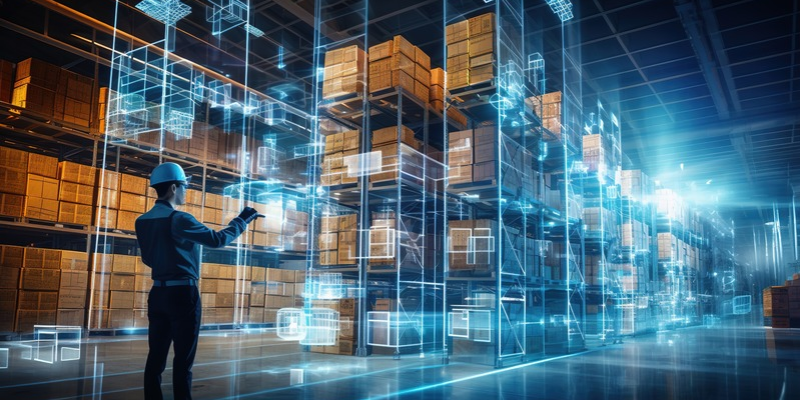
A typical manufacturing facility’s processes involve receiving raw material deliveries from external vendors, staging and providing the raw materials or other inventory to production, reporting the production in terms of quantity and labor, goods receipt of the finished product into the warehouse and lastly shipping the product to the customer on time.
Digitalizing these processes can optimize the flow of materials, streamline warehouse processes, improve inventory accuracy, and send out shipments on time.
What can you expect from digitalizing your intralogistics operations?
1. Increased Efficiency and Productivity
Automating material handling and real-time tracking reduces manual labor and streamlines workflows. Digitalizing these processes also leads to faster movement of goods within the facility which results in shorter production cycles and quicker order fulfillment.
2. Real-Time Visibility
Real-time tracking of materials, assets, and inventory levels enables proactive decision-making. This live tracking, coupled with historical data, provides predictive analytics that help anticipate issues before they impact operations, allowing continuous improvement, and strategic planning. Dashboards and analytic tools offer full transparency across the entire supply chain.
3. Cost Reduction
Optimizing your warehouse space utilization reduces labor costs and minimizes waste, contributing to overall savings. Additionally, predictive maintenance and efficient mapping of all intralogistics transport operations reduce equipment downtime, energy usage, and empty runs searching for materials.
4. Improved Accuracy and Traceability
Implementing digital systems significantly reduces human errors in inventory management, order picking, and stock replenishment. Digital systems also produce more accurate data which ensures better planning and fewer production delays due to misplaced or missing items. By eliminating paper-based processes, traceability is also improved as manufacturers can trace all the way back to the raw material to find the source of the problem.
5. Scalability
It’s important to keep the future in mind, so implementing digital systems that can be easily scaled or adapted to meet growing production demands or changes in product lines is key to having a competitive advantage.
6. Enhanced Collaboration and Communication
Unified platforms enable seamless communication between departments, improving coordination and response times. For even better synchronization, you can integrate your external suppliers and logistics partners. This is not only great for collaboration and communication, but also saves you time, resources, and processing costs.
7. Improved Safety and Compliance
Not only does automation reduce human involvement in hazardous tasks but it also supports compliance with industry regulations and quality standards. For manufacturers, “going green” is a big piece of the puzzle and automation gets you one step closer to achieving your sustainability goals.
Working with ORBIS means getting a partner who values digital transformation, sustainability, scalability, and interoperability. Our team understands industry-specific challenges and will tailor solutions to your unique situation and consider every aspect of your business. We want your everyday processes to operate with you, not against you. This means quicker, more efficient, and user-friendly processes for every employee no matter their level.
Digitalizing intralogistics is only one piece of the puzzle, but it’s a great place to start. It can help manufacturers operate smarter, faster, and more sustainably, positioning them for long-term success in a competitive landscape. If you are looking to optimize your intralogistics operations, we’d love to talk to you!